If your lawn feels hard underfoot, puddles after rain, or struggles to stay thick and green, it may be time for lawn aeration. For homeowners throughout the Northeast, including Connecticut, knowing when to aerate your lawn can make a major difference in the health, appearance, and durability of your grass.
At Girgenti Landscaping LLC, one of the most common lawn care questions we hear is: “When is the best time to aerate your lawn?” The answer depends largely on your grass type, weather conditions, and overall lawn health — but for most Northeastern lawns with cool-season grasses, fall is typically the ideal time.
What Does Lawn Aeration Actually Do?
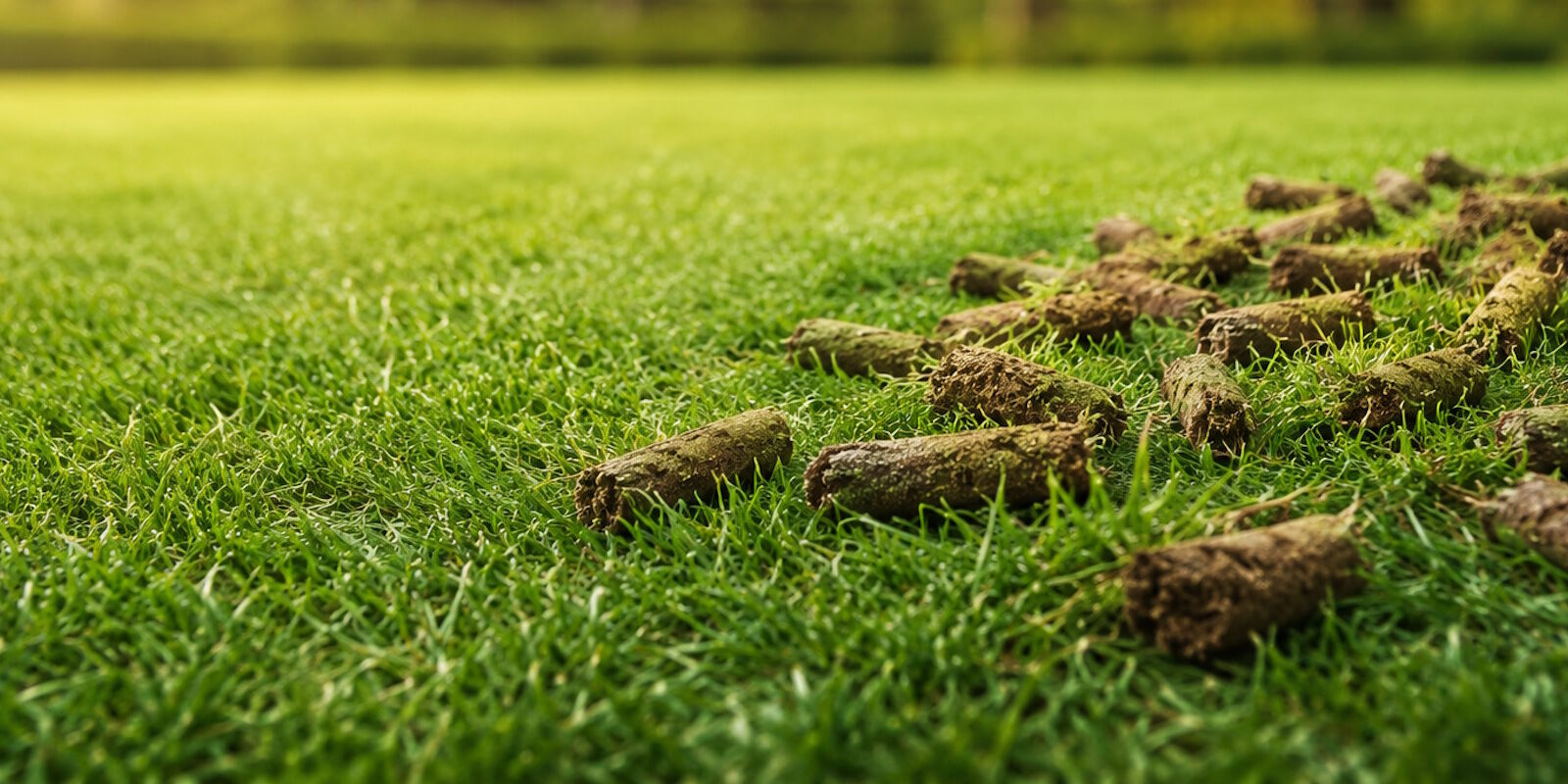
Lawn aeration is the process of removing small plugs of soil from your lawn to reduce soil compaction and improve airflow, water penetration, and nutrient absorption. Over time, lawns become compacted from foot traffic, mowing, heavy rainfall, and even snow accumulation during Northeast winters.
When soil becomes compacted, grass roots struggle to access the oxygen, water, and nutrients they need to thrive. Aeration helps loosen the soil and creates space for stronger, deeper root growth.
Benefits of aerating your lawn include:
- Improved root development
- Better water absorption
- Reduced soil compaction
- Stronger drought resistance
- Healthier, thicker turf
- Better seed-to-soil contact for overseeding
- Reduced thatch buildup
When is the Best Time to Aerate Lawn in the Northeast?
For most lawns in Connecticut and throughout the Northeast, the best time to aerate lawn areas is during the fall — typically from late August through October.
Why fall?
Most Northeastern lawns contain cool-season grasses such as:
- Kentucky Bluegrass
- Perennial Ryegrass
- Fine Fescue
- Tall Fescue
These grasses actively grow during cooler temperatures in late summer and fall. Aerating during this period allows the lawn to recover quickly while encouraging deep root growth before winter dormancy.
Fall also offers several advantages:
- Cooler daytime temperatures reduce stress on grass
- Warm soil temperatures encourage root growth
- Increased rainfall helps recovery
- Weed competition is lower than spring
- Ideal conditions for overseeding
For many Connecticut homeowners, September is often considered the sweet spot for core aeration and overseeding.
Can You Aerate Your Lawn in the Spring?
Yes — spring can also be a good time to aerate your lawn, especially if your soil is heavily compacted after winter.
However, spring aeration is usually considered the “second-best” option for cool-season lawns in the Northeast. While it can improve soil conditions, spring aeration may also encourage weed growth because dormant weed seeds can be brought to the surface.
If you choose spring aeration, the best timeframe is usually:
- Late April through early June
- After the lawn begins actively growing
- When soil is moist but not saturated
Spring aeration works especially well when combined with light overseeding and proper fertilization.
When Should You Aerate Your Lawn?
If you are wondering “when should you aerate your lawn,” the answer often depends on the condition of your yard. Some lawns benefit from annual aeration, while others only need it every couple of years.
Common signs your lawn needs aeration include:
Water Pooling After Rain
Compacted soil prevents water from soaking into the ground efficiently.
Thin or Patchy Grass
Poor root growth often leads to weak, thinning turf.
Heavy Foot Traffic
Lawns with kids, pets, or frequent activity compact more quickly.
Excessive Thatch
A thick layer of dead grass and debris can block water and nutrients.
Hard Soil
If it is difficult to push a screwdriver into the ground, your soil may be compacted enough to need aeration.
Why Fall Aeration Works So Well in Connecticut
Connecticut’s climate is particularly well-suited for fall lawn aeration. After a hot summer, many lawns become stressed and compacted. Fall aeration helps repair that damage before winter arrives.
Because cool-season grasses naturally focus on root growth during autumn, aeration at this time helps create:
- Stronger root systems
- Thicker spring growth
- Improved winter hardiness
- Better nutrient absorption
Fall aeration is also commonly paired with overseeding because the aeration holes create excellent seed-to-soil contact for new grass growth.
Should You Overseed After Aeration?
Absolutely. Aeration and overseeding are one of the best lawn care combinations for Northeast properties.
After aeration:
- Grass seed settles directly into the soil openings
- Seeds receive better moisture retention
- Germination rates improve
- New grass establishes more easily
This process helps fill in thin areas and creates a thicker, healthier lawn overall.
Core Aeration vs. Spike Aeration
Not all aeration methods are equal.
Core Aeration
Core aeration removes actual plugs of soil from the lawn. This is generally considered the most effective method because it physically relieves soil compaction.
Spike Aeration
Spike aeration simply pokes holes into the soil. While it may provide minor short-term benefits, it can sometimes worsen compaction around the holes.
For most Connecticut lawns, professional core aeration delivers the best long-term results.
How Often Should You Aerate Your Lawn?
Most Northeast lawns benefit from aeration:
- Once per year for heavily used lawns or clay-heavy soil
- Every 2–3 years for healthier lawns with lighter traffic
Properties with pets, children, or poor drainage often require more frequent aeration.
Professional Lawn Aeration Services in Connecticut
Proper timing is one of the biggest factors in successful lawn aeration. At Girgenti Landscaping LLC, we help homeowners throughout Connecticut determine the best time to aerate lawn areas based on grass type, soil condition, and seasonal weather patterns.
Whether your lawn needs core aeration, overseeding, hydroseeding, or complete lawn renovation, our team can help you build a thicker, healthier lawn designed to thrive in the Northeast climate.